
A quiet ice rink , soft golden morning light spilling across the empty stands. A single pair of skates rests on the bench, laces loose, with a notebook and pen beside them. The atmosphere feels calm, reflective, and hopeful—symbolizing healing, change, and the small moments that matter.
New Year. What does it even mean anymore?
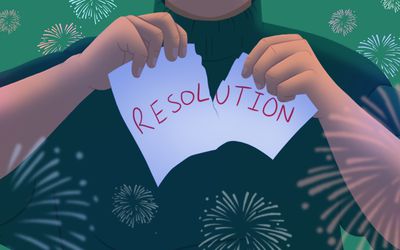
For so many of us, it’s become a season of pressure—pressure to achieve, to transform, to suddenly become the “better” version of ourselves that society insists we should be striving for. We’re groomed to believe that if we don’t set goals, resolutions, and grand plans, we’re somehow falling behind in an ever‑changing world. But this year, as I sat at the rink on New Year’s Eve watching Tyler practice, I felt something different. I felt joy—real, simple joy. I don’t get to watch him much anymore. Work, finances, and life have made those weekend trips to Vancouver or Alberta nearly impossible. And honestly, that’s been hard. Some days it hits deeper than I’d like to admit. So when I do get to watch him, I try to soak it in. Or at least as much as I allow myself to, because I still struggle with not analyzing every move he makes on the ice. Old habits, old fears, old patterns—they don’t disappear just because the calendar flips.
While I was chatting with Natasha, another hockey mom, she asked her son a question that stopped me in my tracks. Not the usual, “What’s your New Year’s resolution?” “If you could hold yourself accountable for one thing that would help improve your life, what would it be? “That question hit differently. It wasn’t about goals. It wasn’t about performance. It was about change—real, internal, meaningful change. It made me think about what change actually means for me. I’ve lived my whole life navigating trauma, depression, isolation, seclusion, and ADHD. And every year, I’ve tried to “fix” myself by controlling the ADHD, controlling the symptoms, controlling the chaos. But what if the real shift isn’t about control at all? What if it’s about calming the fight‑flight‑freeze response that has been running my life for so long?
So this year, I chose something different. Not a resolution.
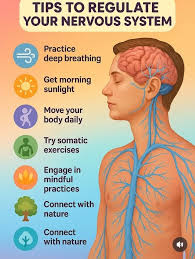
A Macrocycle—a gentle, intentional shift in how I support my central nervous system.
Here’s what that looks like for me:
- Light Therapy: Getting natural morning light to support my circadian rhythm and cortisol patterns.
- Low‑Impact Movement: Walking, stretching, yoga—anything that lowers the sympathetic drive and supports my body instead of punishing it.
- Creative Expression: Blogging and songwriting to reduce mental load and help shift out of “threat mode.”
- Supportive Nutrition: Making sure I’m getting the basics—electrolytes, vitamin D, nourishment that helps with mood and resilience.
- Somatic Exercises: Simple grounding techniques, like the one my therapist taught me—covering one eye, breathing deeply, then switching. Small, strange, but surprisingly powerful.
Change is hard. It’s uncomfortable.
It asks us to face ourselves in ways we often avoid. But I’m willing to change how my body, mind, and soul respond to the world around me. I’m willing to learn. I’m willing to try. And I’m willing to do it without the weight of society’s expectations on my shoulders. So no, I don’t have a flashy New Year’s resolution. I’m not setting myself up for failure or shame. I’m choosing one thing—one shift—that supports healing instead of pressure.
Goodbye 2025. Hello 2026.

It’s just a number on a calendar, not a demand for reinvention. To my fellow bloggers, readers, and anyone who feels overwhelmed this time of year: Don’t hyper‑focus on what society tells you to change. Choose one thing that feels good to learn about, one thing that supports your well‑being, one thing that moves you toward yourself—not away from yourself. Change doesn’t have to be loud. It doesn’t have to be dramatic.
It just has to be yours.
Healing in Real Time: My New Year Without Resolutions
I write these reflections as someone learning to heal in real time—messy, honest, imperfect, and human. If you’re walking through your own season of change, I hope my words remind you that you’re not alone, and that small shifts can create big openings for peace.
Closing Quote
“Change doesn’t ask us to be perfect. It only asks us to be present.”


Leave a Reply